Before the Bugle Sounds: Inside the Relentless Daily Rhythm of a Thoroughbred Stable
It is 4:15 in the morning at a major American racetrack, and the backstretch is already alive. Fluorescent lights flicker on in shed rows where thoroughbreds shift restlessly in their stalls, ears pricked toward the familiar sounds of approaching footsteps. By the time most racegoers are contemplating breakfast, the most consequential work of any racing day is already well underway.
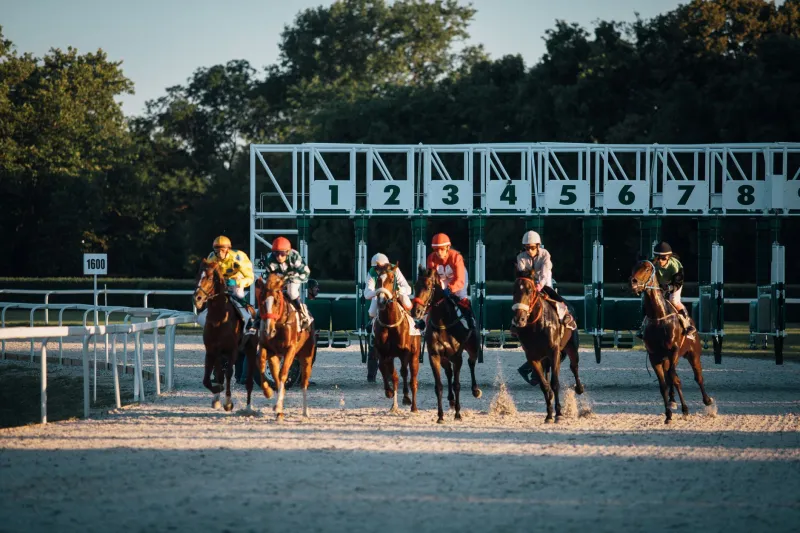
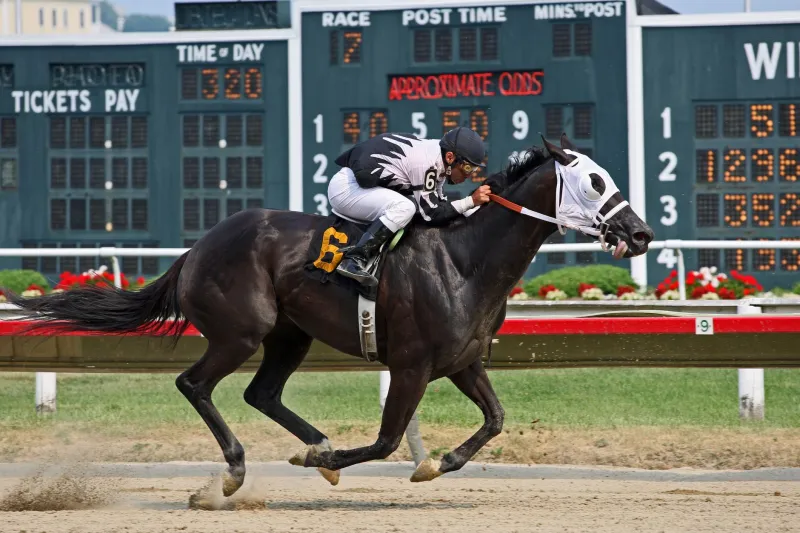
The public face of thoroughbred racing—the pageantry of the post parade, the thunder of hooves past the grandstand, the celebration in the winner's circle—represents perhaps three minutes of visible competition built upon twenty-three hours and fifty-seven minutes of invisible labor. That labor, executed by a surprisingly small army of specialists with overlapping responsibilities and genuine affection for their horses, is what separates sustainable winning operations from those that flame out after a promising start.
The Architecture of a Morning
The day in a serious thoroughbred stable does not begin at a single moment. It unfolds in waves, each governed by the specific needs of individual horses and the requirements of the training schedule.
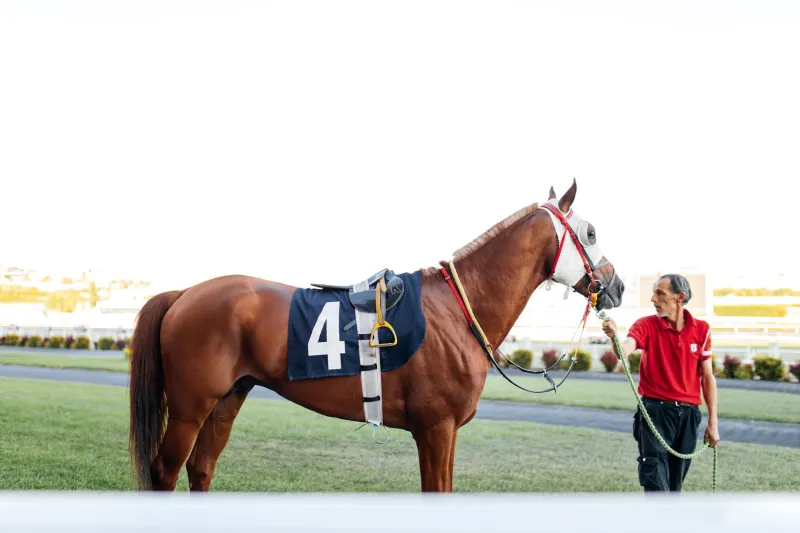
The first grooms arrive well before dawn. Their initial task is observation—a walk through the barn to assess each horse's overnight condition. Has a horse gone off its feed? Is there heat in a leg that was cool at evening check? Is a usually docile animal displaying unusual agitation? These early observations, made before a single veterinarian has arrived and before a trainer has pulled on their boots, can determine whether a horse gallops that morning, receives a therapy session, or is scratched from an afternoon engagement.
"The groom is the first line of defense," explains a stable manager who has overseen operations for a prominent training barn at Saratoga Race Course. "A good groom knows their horse's normal better than anyone. They notice things that don't show up in any diagnostic tool."
This observational role is more sophisticated than it might appear. Experienced grooms develop a granular familiarity with each animal in their care—typically three to four horses per person at a well-staffed operation. They track subtle behavioral cues, monitor manure consistency as an indicator of digestive health, and assess the quality of a horse's rest by the condition of its bedding in the morning.
The Training Window
Most major American tracks open their training surfaces between 5:30 and 6:00 a.m., with the training window typically closing by 10:00 or 10:30. Within those hours, a trainer must orchestrate the movement of an entire stable—some horses galloping several miles to build aerobic base, others breezing short distances at race pace to sharpen speed, still others walking on a hot walker or receiving hand-walking therapy following a race.
The sequencing of this work is a logistical exercise that requires both planning and real-time adaptation. Weather affects track conditions and, consequently, the wisdom of working horses at speed. A horse that appeared sound at 5:00 a.m. may show a slight irregularity at the jog and require reassessment. A jockey agent may call with a schedule conflict, necessitating a last-minute change of rider for a morning workout.
Trainers at the highest level tend to be exceptional synthesizers of information—simultaneously processing feedback from exercise riders, monitoring horses on the track through binoculars, fielding calls from owners, and adjusting plans in response to conditions that change by the hour. The best among them operate with what might be described as a structured intuition: a framework of established principles applied with constant flexibility.
Technology has begun reshaping this process in meaningful ways. GPS-enabled training systems now allow trainers to track precise split times and distance coverage for every gallop, generating data sets that were simply unavailable a decade ago. Heart rate monitoring during and after exercise provides objective measurements of cardiovascular recovery, helping staff identify horses that are working harder than their external presentation suggests. Thermographic imaging can detect subclinical inflammation in limbs before it manifests as visible lameness.
The Veterinary Partnership
The relationship between a trainer and their primary veterinarian is one of the most consequential professional partnerships in racing. At a high-volume stable, a veterinarian may be on the property daily, conducting pre-training assessments, administering therapeutic treatments, and reviewing diagnostic imaging.
The scope of routine veterinary work in a competitive stable is considerable. Joint maintenance protocols, respiratory health management, dental care, and nutritional supplementation are all active areas of clinical attention. The challenge lies in distinguishing between maintenance that keeps a sound horse performing at its best and intervention that masks underlying conditions—a distinction that carries both ethical and regulatory weight.
Several tracks have implemented more rigorous pre-race veterinary inspections in recent years, requiring horses to pass a soundness evaluation before they are permitted to compete. This development has placed additional emphasis on the daily monitoring practices that allow stable staff to present horses in genuine racing condition, rather than managing them to a point of apparent soundness that may not reflect their underlying health.
Afternoon and Evening: The Overlooked Hours
Once the morning training session concludes and horses return to their stalls, the stable's rhythm shifts rather than slows. Feeding schedules are carefully managed—most stables feed hay continuously and grain twice daily, with the composition of each horse's ration adjusted based on workload, body condition, and individual metabolic tendencies. Horses in hard training can consume upward of twenty pounds of hay and twelve pounds of grain daily, and ensuring that each animal is actually consuming its prescribed ration requires attentive daily observation.
Post-training therapy occupies a significant portion of the afternoon. Ice boots, magnetic therapy blankets, ultrasound treatments, and equine swimming pools have all become standard features of competitive stables at major tracks. The goal is not merely recovery from the morning's work but active preparation for the next training session or race.
Evening check—typically conducted around 5:00 p.m. and again at 9:00 or 10:00 p.m.—mirrors the morning's initial assessment. Legs are palpated for heat and swelling. Feed consumption is noted. Horses scheduled to race the following day receive additional attention, their physical condition evaluated against the demands of competition.
The Human Element
Behind every competitive thoroughbred stable is a retention problem that the industry has struggled to address for decades. Experienced grooms, hot walkers, and exercise riders are the operational backbone of American racing, yet compensation and working conditions have historically made long-term careers in these roles difficult to sustain.
The most successful operations have recognized that investing in their human infrastructure yields dividends in horse performance. Stables that offer consistent scheduling, competitive wages, and genuine professional development tend to retain the experienced personnel whose accumulated knowledge of individual horses is genuinely irreplaceable. The groom who has cared for a horse for two years carries institutional knowledge that no diagnostic tool can replicate—and losing that person to a competing barn or an entirely different industry represents a cost that rarely appears on a balance sheet but is felt acutely in the shed row.