The True Price of the Gate: Counting Every Dollar It Takes to Race a Thoroughbred in America
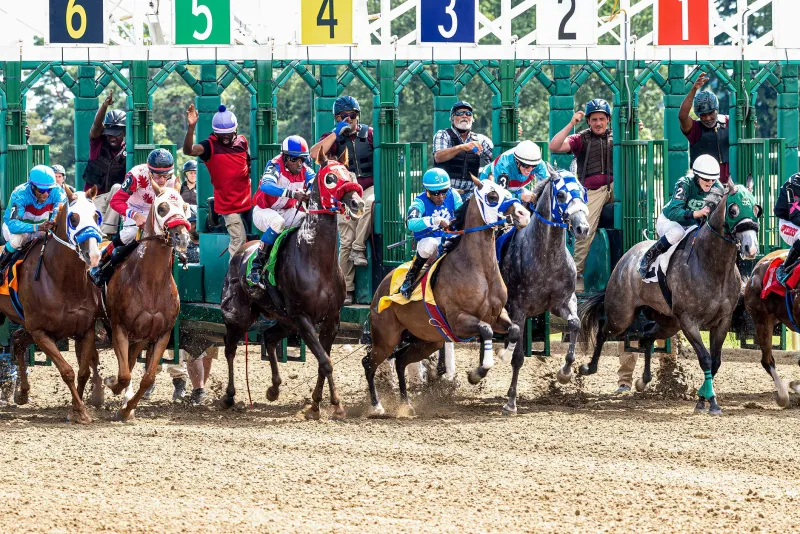
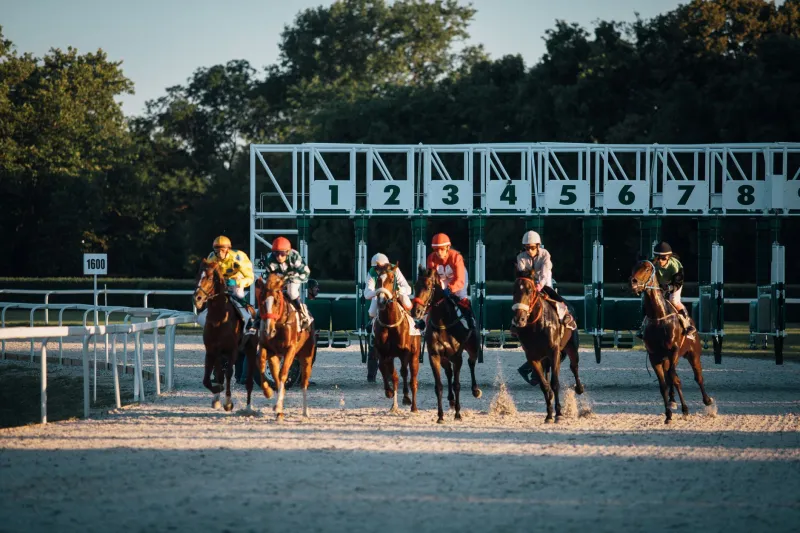
The crowd rises. The gate springs open. For thirty seconds to two minutes, a thoroughbred and its connections chase glory across dirt or turf. What the grandstand rarely witnesses—and what the television broadcast never fully conveys—is the financial machinery that put that horse in the gate in the first place.
Racing a thoroughbred in America is an endeavor of considerable expense, one that accumulates long before a horse ever sees a starting stall and continues relentlessly between races. For many owners and small partnerships, the financial reality arrives as a genuine surprise. For those who have been in the game for years, it remains a constant negotiation between passion and practicality.
The Galloper spoke with trainers, veterinarians, and owners across multiple circuits to assemble an honest accounting of what it truly costs to bring a thoroughbred from the farm to the finish line—and to keep it there.
The Baseline: Daily Training Rates
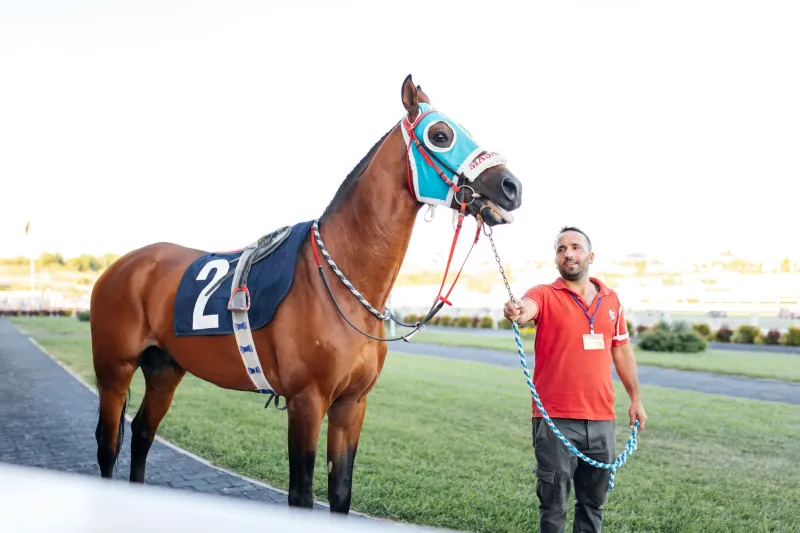
The most visible line item in any owner's monthly statement is the day rate charged by the trainer. Across major American racing circuits, this figure varies considerably by geography and facility prestige.
At top-tier tracks such as Saratoga, Del Mar, and Churchill Downs, daily training rates for a stall in a leading barn typically range from $125 to $175 per day. That figure covers the trainer's fee, the groom's labor, feed, bedding, and routine care. Over the course of a 30-day month, an owner at a premier facility is looking at a baseline of $3,750 to $5,250 before any additional services are added.
"People see the day rate and think that's the whole picture," said one Kentucky-based trainer who requested anonymity. "That's just the foundation. Everything else is on top."
At smaller regional tracks and training centers—Finger Lakes in New York, Evangeline Downs in Louisiana, or Turf Paradise in Arizona—rates run meaningfully lower, often between $65 and $100 per day. But the gap in purse earnings at those venues reflects the tradeoff.
Veterinary Care: The Largest Variable
No expense category generates more variation—or more anxiety—among owners than veterinary costs. Routine care alone carries a substantial price tag. Monthly maintenance for a horse in active training typically includes joint injections, gastric ulcer monitoring and treatment, respiratory evaluations, and dental work, among other procedures.
Dr. Rachel Kelso, an equine veterinarian based near Lexington, Kentucky, offered a candid assessment. "A horse that is training without complications might run you $500 to $800 a month in routine vet work. The moment something goes wrong—a soft tissue injury, a respiratory infection, a chip in a fetlock joint—you can be looking at $5,000 to $30,000 in a matter of weeks."
Surgical interventions for common racing injuries, such as arthroscopic procedures to remove bone chips or repair soft tissue damage, typically range from $3,500 to $15,000 depending on the nature and severity of the case. Recovery periods following such procedures introduce additional costs: rehabilitation facilities, aqua treadmill therapy, and extended stall rest all carry their own price.
Insurance can offset some of this exposure, but comprehensive mortality and major medical coverage on a horse valued at $100,000 typically costs between $4,000 and $6,000 annually—another line item that compounds the monthly outlay.
Nutrition and Supplementation
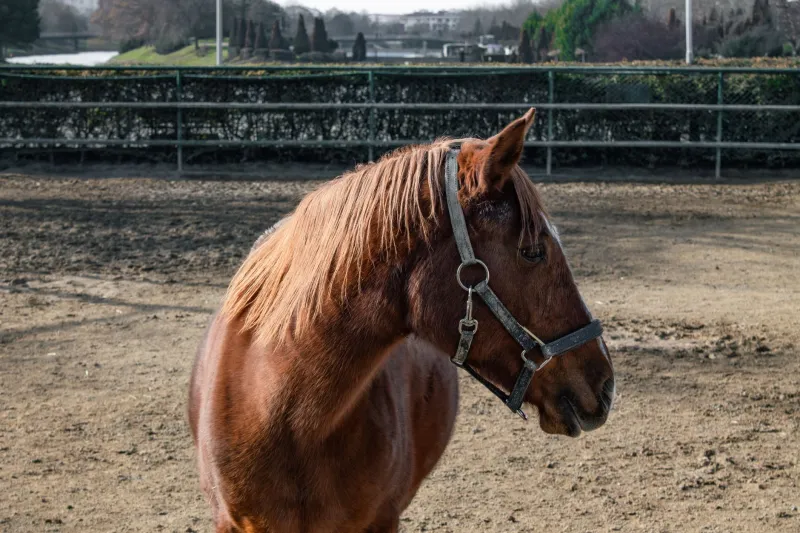
A thoroughbred in peak racing condition requires a carefully managed diet that goes well beyond standard hay and grain. Elite training barns work with equine nutritionists to design individualized feeding programs that support muscle development, joint health, and cardiovascular recovery.
Premium hay—orchard grass, timothy, or alfalfa blends—runs between $15 and $25 per bale at current market rates, and a horse in hard training may consume a bale and a half per week. High-energy grain rations formulated for performance horses add another $200 to $350 per month. Supplements—omega fatty acids, electrolytes, probiotics, joint support compounds—can push the monthly nutrition total to $600 or beyond for a horse receiving a fully customized regimen.
"You cannot cut corners on feed and expect a horse to perform at its best," noted one trainer with multiple graded stakes winners on his record. "The feed bill is not where you save money."
Transportation: Miles Add Up Quickly
American thoroughbred racing is a circuit sport. Horses follow the meets—from Churchill Downs in the spring to Saratoga in the summer, to Keeneland in the fall, to Gulfstream Park or Fair Grounds in the winter. Each migration involves professional van transport, and the costs are not trivial.
A standard van shipment from Lexington, Kentucky, to Saratoga Springs, New York, runs approximately $1,200 to $1,800 depending on the carrier and the number of horses sharing the van. Cross-country transport—say, from California to Florida for a graded stakes engagement—can reach $4,000 to $6,000 for a private van arrangement. Air transport for international or high-priority domestic engagements escalates into five-figure territory.
Entry fees and jockey fees add a further layer of expense at each start. Graded stakes entries can run from $3,000 to $10,000 or more at the elite level. Jockey mounts fees—typically $75 to $105 for a standard mount, with a percentage of earnings for winning rides—accumulate across a season of racing.
The Annual Reckoning
Adding these components together, the annual cost of racing a single thoroughbred at a competitive American circuit—excluding the initial purchase price—falls somewhere between $75,000 and $150,000 for most owners, with significant upside risk depending on veterinary events.
For perspective, the average purse earnings for a non-graded stakes horse racing at mid-level claiming and allowance conditions in the United States typically do not exceed $40,000 to $60,000 per year. The mathematics, for most owners, do not favor profit. What sustains the industry is something that spreadsheets struggle to capture: the singular experience of watching a horse you own run down the stretch, and the possibility—however remote—that it might be the next Justify or American Pharoah.
"Nobody gets into this for the return on investment," said one veteran owner who has campaigned horses for more than two decades. "You get into it because there is nothing else like it. But you had better go in with your eyes open about what it costs."
For those considering entry into ownership—whether as an individual or through one of the many fractional partnership syndicates that have democratized the sport in recent years—the first step is an honest conversation with a licensed trainer about the full scope of the financial commitment. The Sport of Kings rewards passion, patience, and preparation. The financial side of the equation demands no less.